From the Heritage of People’s Governance to International Partnership
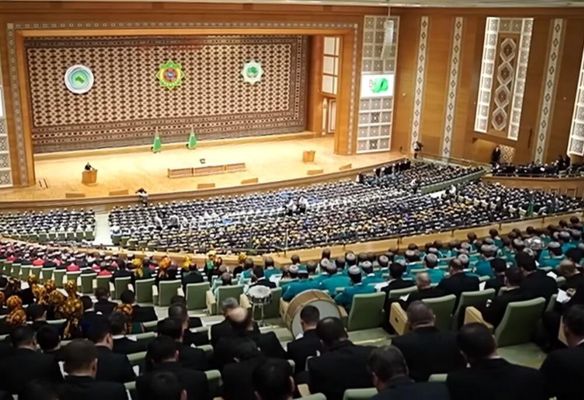
*Throughout its history, the Turkmen people have placed particular importance on collective wisdom and social harmony. During crucial periods in their lives, they turned to respected elders, whose knowledge, life experience, and authority helped them make informed decisions. This centuries-old tradition has become the solid foundation of the modern People’s Council of Turkmenistan (Halk Maslahaty) – the highest representative body of popular power, which seamlessly blends a rich historical heritage with the requirements of modern public administration
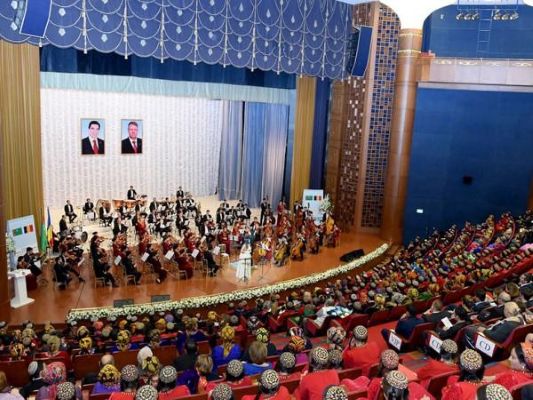
Today, the People’s Council is not only an important constitutional institution but also an effective platform for broad public dialogue. Its members include representatives from various sectors of society: elders, highly respected among the people, specialists from various industries, scientists, business representatives, agricultural workers, government agencies, and public organizations. Such broad representation allows the interests of all society to be taken into account when discussing issues of strategic importance for the country’s further development.
New initiatives and programs considered by the Halk Maslahaty contribute to further improving the population’s standard of living, strengthening the state’s international authority, and implementing large-scale reforms in all spheres of public life. This is why the People’s Council is today perceived as a vital link uniting the interests of the state and society and ensuring the country’s progressive development.
The activities of the Halk Maslahaty are particularly important this year in preparation for its next session, which will be held on September 23, 2026, on the eve of the 35th anniversary of Turkmenistan’s independence. Preparations for this important national event are underway at the highest level. At the direction of the National Leader of the Turkmen People and Chairman of the Halk Maslakhaty, Gurbanguly Berdimuhamedov, a special organizing committee has been established to ensure comprehensive preparation for the session, review citizen proposals, and incorporate them into the agenda.
This year holds a special place in the modern history of Turkmenistan. The country is celebrating the 35th anniversary of its independence. Over the years of its sovereign development, Turkmenistan has undergone extensive transformations, establishing a solid political, socioeconomic, and legal foundation for a modern state.
The anniversary year is being held under the motto “Independent, Permanently Neutral Turkmenistan – Homeland of Purposeful Heavenly Horses,” which reflects the continuity of historical traditions, respect for the national heritage, and the state’s commitment to new achievements.
It is important to note that decisions made within the People’s Council on matters of the country’s internal development are inextricably linked to Turkmenistan’s foreign policy, which is based on its status of permanent neutrality. This approach ensures the consistency of the state’s domestic and foreign policies, promotes stability, strengthens international cooperation, and advances initiatives aimed at developing peace, trust, and good neighborliness.
Permanent neutrality, recognized by the international community, is one of the key features of Turkmenistan’s foreign policy. For many years, Turkmenistan has consistently built relations with its foreign partners on the principles of equality, mutual respect, and mutual benefit, advocating for the strengthening of constructive dialogue and the expansion of multilateral cooperation.
Today, Turkmenistan maintains diplomatic relations with more than 160 countries and actively interacts with dozens of international and regional organizations. The effectiveness of this peaceful foreign policy was recognized by the adoption by the United Nations General Assembly of three historic resolutions on the “Permanent Neutrality of Turkmenistan” in 1995, 2015, and 2025.
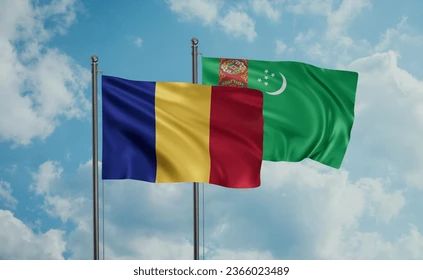
The principles of openness, mutual respect, and equal cooperation, which underpin Turkmenistan’s foreign policy, are consistently implemented in the development of bilateral relations with foreign countries. One of Turkmenistan’s most reliable partners in Europe is Romania, with which the country enjoys long-standing friendly relations based on mutual trust, constructive political dialogue, and a desire to expand mutually beneficial cooperation.
This year marks the 34th anniversary of the establishment of diplomatic relations between Turkmenistan and Romania. Over the past three decades, a solid legal framework for bilateral cooperation has been established, covering a wide range of areas – from politics and economics to education, science, and culture. Regular contacts at various levels, interaction between parliaments, ministries, and agencies, as well as coordination of positions within international organizations, primarily the United Nations, play a key role in strengthening bilateral relations.
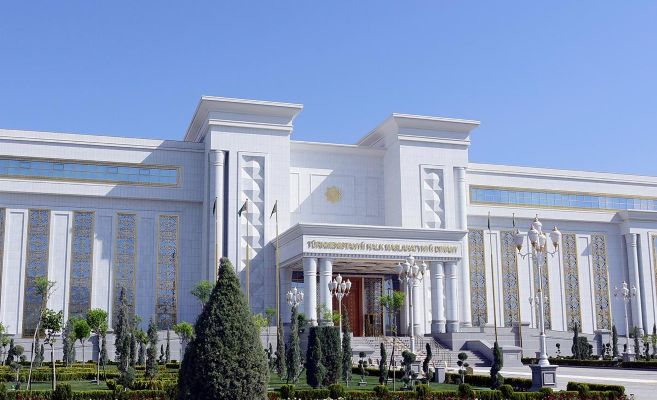
Cooperation in transport and logistics occupies a special place on the bilateral agenda. Geographically, Turkmenistan and Romania are located at the crossroads of important international transport routes connecting Central Asia with Europe.
Therefore, developing cooperation within the Caspian Sea – Black Sea international transport corridor is of significant interest. Its implementation could provide additional impetus to trade development, strengthening regional connectivity, and expanding economic ties between the countries of Central Asia and Europe.
Humanitarian ties between Turkmenistan and Romania are also steadily strengthening. Cooperation in education, science, culture, and sports between the two countries fosters mutual trust, expands people-to-people contacts, and fosters a deeper understanding of the history, traditions, and spiritual heritage of the two countries.
One of the most dynamically developing areas of the Turkmen-Romanian partnership remains cooperation in education and science. The two countries regularly organize bilateral meetings and various events in the field of education, including online meetings, conferences, and roundtables. The current Education Cooperation Program between the Ministry of Education of Turkmenistan and the Ministry of Education and Research of Romania for 2023-2028 plays a key role in this process. Thanks to this program, more than 100 Turkmen students annually have the opportunity to pursue higher education at leading Romanian universities.
The established legal framework also contributes to the development of academic cooperation. Higher education institutions of Turkmenistan and Romania have concluded various bilateral agreements. Such initiatives create additional opportunities for the exchange of experience, the implementation of modern educational technologies, and the expansion of scientific interaction.
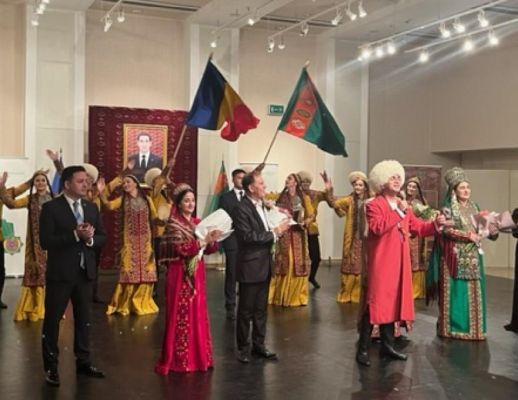
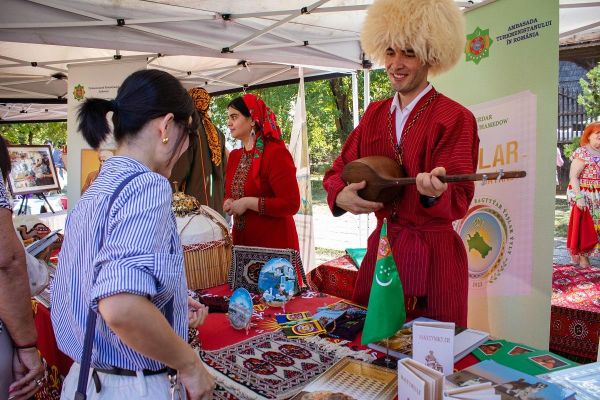
At the same time, cultural and humanitarian cooperation continues to develop, occupying a special place in bilateral relations. Exhibitions, presentations, scientific conferences, literary evenings, and other joint events promote the rich historical and cultural heritage of the two countries and strengthen friendly ties between our peoples.
Over the 35 years of Independence, Turkmenistan has strengthened its position as a modern, dynamically developing state, consistently implementing a policy of permanent Neutrality and open international cooperation. The People’s Council of Turkmenistan plays a key role in this process, uniting national traditions and modern principles of public administration, contributing to the country’s sustainable development and the expansion of mutually beneficial international partnerships.


